Standing water and soaked materials
Water does not sit still. It wicks up drywall, swells flooring and feeds mold within a day or two. We extract the standing water first, then remove what cannot be saved and start controlled drying the same visit.
Water Damage Restoration — Bergen County, New Jersey
Need water damage restoration you can trust at the worst moment? Flood Damage 247 handles the full job after water gets in, extraction, drying, cleanup and the repairs path planned from the first visit for homeowners across Bergen County and northern New Jersey, with fast response and a written scope before cleanup work expands.
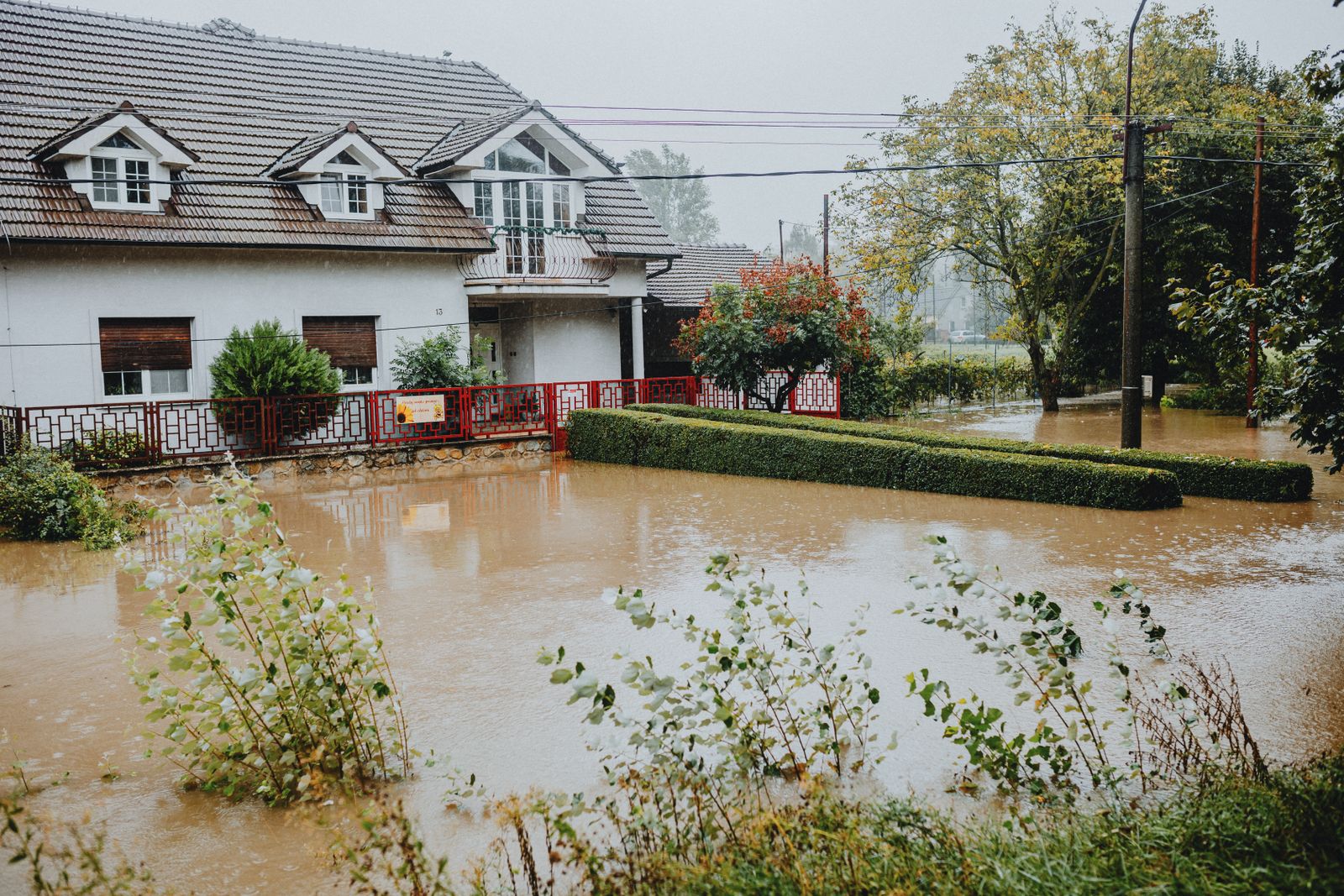
Water does not sit still. It wicks up drywall, swells flooring and feeds mold within a day or two. We extract the standing water first, then remove what cannot be saved and start controlled drying the same visit.
A leak above or a flood below rarely stays in one layer. We check moisture inside walls, under floors and in ceilings with meters, so the drying plan covers the water you cannot see, not just the puddle you can.
Most restoration work is insurance funded, and claims go smoother with evidence. We photograph and document the damage and the drying process as we work, so you have records for your insurer.
Most residential water damage restoration jobs in Bergen County, extraction, drying and cleanup for one or two affected rooms, land roughly between $1,500 and $7,500. Whole-floor floods, sewage-category water and jobs needing demolition and rebuild run higher, sometimes into five figures. The written scope after inspection fixes your number before major work starts. Guidance ranges checked November 2026.
Get an Honest QuoteCall as soon as you find the water. Flooded basements, active leaks and sewage backups are placed first, and we give you a straight arrival window on the call. Every hour standing water sits, it spreads further into walls and floors, so the earliest call gets the smallest job.
Most water damage work here is insurance funded. We document the damage with photos and moisture readings as we work and give you records your insurer or adjuster can use. Coverage itself is your policy's decision, but good documentation is what makes a claim go smoothly.
If it is safe, stop the water at its source, a fixture valve or the main shutoff, and keep clear of standing water near electrical panels, outlets and appliances. Move small belongings out of the water if you can do it without wading through deep or contaminated water. Never enter sewage water.
Drying itself usually runs three to five days for a typical residential loss, with equipment checked daily. Cleanup and any build-back after drying take longer depending on how much material had to come out. We give you the drying estimate on the first visit and update it as readings come in.