Drying walls and floors in place
Properly placed air movers and dehumidifiers can often dry drywall, hardwood and subfloors in place, saving demolition when the water was clean and caught early. The setup is a plan, not just fans pointed at a wall.
Water Damage Restoration — Bergen County, New Jersey
Need water mitigation & structural drying you can trust at the worst moment? Flood Damage 247 handles professional drying programs that pull moisture out of walls, floors and framing and prove it with meter readings, not guesswork for homeowners across Bergen County and northern New Jersey, with fast response and a written scope before cleanup work expands.
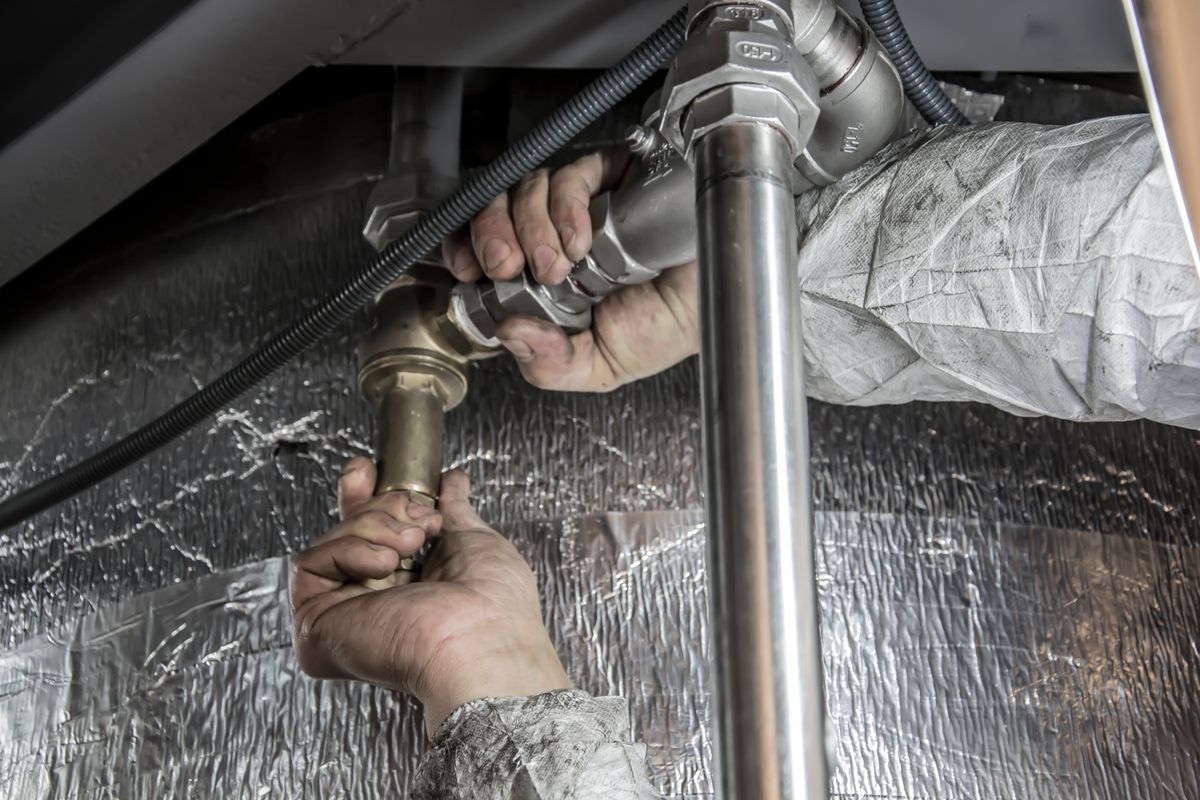
Properly placed air movers and dehumidifiers can often dry drywall, hardwood and subfloors in place, saving demolition when the water was clean and caught early. The setup is a plan, not just fans pointed at a wall.
We map moisture with meters at the start and check readings daily, adjusting equipment as areas dry. You see the numbers come down, and drying ends when readings say the structure is dry, not when a timer runs out.
Hardwood floors, cabinets and built-ins are the expensive losses in a water event. Fast, controlled drying gives them their best chance, and cupped floors often settle as moisture normalizes.
A professional drying program for a typical residential water loss in Bergen County commonly runs about $800 to $3,500 depending on the size of the affected area and how many days of equipment the structure needs. It is scoped in writing after moisture mapping, and it is almost always cheaper than the demolition and rebuild it prevents. Guidance ranges checked November 2026.
Get an Honest QuoteHow much water, what kind of water, how many rooms and materials it reached, and how much has to come out versus dry in place. Each of those appears in your written scope, so you can see exactly what you are paying for before the work expands.
By meter, not by touch. We take moisture readings in walls, floors and framing at the start and through the job, and equipment comes out when readings reach normal levels for those materials. You can see the numbers at every check.
Mold grows where materials stay wet, typically starting within one to two days. Fast extraction plus a verified drying program is exactly what prevents it. If growth has already started, it is handled as remediation, contained and removed rather than dried in place.
Surfaces dry long before the materials under and behind them do. Subfloors, wall cavities and insulation hold moisture that touch cannot detect and that feeds mold and rot quietly. A meter check takes minutes and settles the question with a number instead of a guess.