Water Damage Restoration in Lyndhurst
The full job after water gets in, extraction, drying, cleanup and the repairs path planned from the first visit. See our water damage restoration page for Lyndhurst for signs, process and cost guidance.
Water Damage Restoration — Lyndhurst, New Jersey
Emergency water removal, flood cleanup, drying and mold remediation for homeowners in Lyndhurst (07071), from a local Bergen County team that extracts fast, shows you the moisture readings and scopes every job in writing.
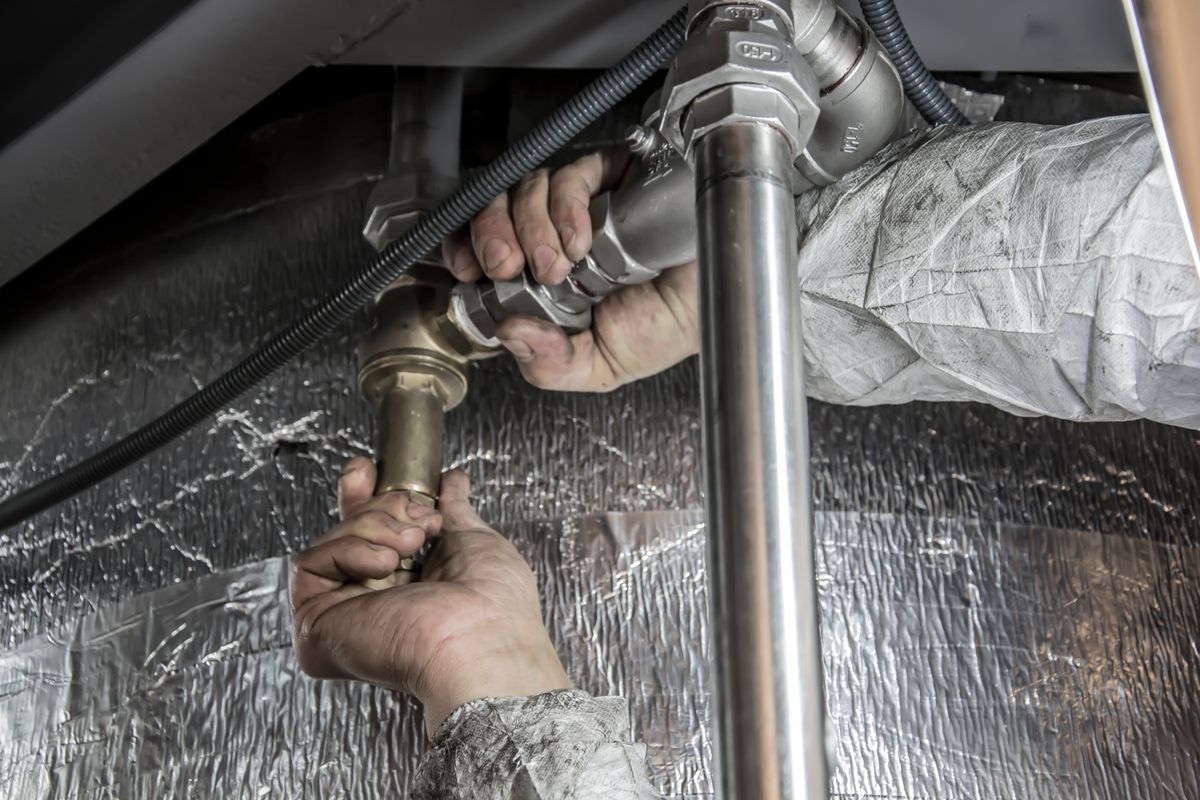
When Lyndhurst homeowners call about water, it is usually one of three things, a flooded basement after a storm, a burst or leaking pipe, or a musty smell that turned out to be mold. We answer all three across Lyndhurst (07071) and surrounding Bergen County towns, starting with an honest inspection and measured drying, never a pressure pitch.
The full job after water gets in, extraction, drying, cleanup and the repairs path planned from the first visit. See our water damage restoration page for Lyndhurst for signs, process and cost guidance.
Standing water pumped and extracted fast, day or night, before it spreads into walls, floors and the rooms next door. See our emergency water removal page for Lyndhurst for signs, process and cost guidance.
Flooded basements pumped out, dried and checked wall to wall, the most common water emergency in bergen county homes. See our basement flood cleanup page for Lyndhurst for signs, process and cost guidance.
Mold growth found after leaks and floods contained, removed and treated at the moisture source, so it does not simply grow back. See our mold remediation page for Lyndhurst for signs, process and cost guidance.
Lyndhurst sits at the county's low southern edge, against the Meadowlands and a short distance from the Passaic River, and elevation is not on its side. Heavy rain, saturated ground and high water in the surrounding wetlands leave the township's basements dependent on sump pumps, and its older sections have taken storm water more than once.
Lyndhurst calls center on sump-dependent basements: pumps that failed during the storm, pits that overflowed, and groundwater that came up through the floor when the ground could hold no more. The follow-up pattern is the familiar one, damp that lingers in finished basements and mold in the walls that were never meter-checked after the water went down.
Call as soon as you find the water. Flooded basements, active leaks and sewage backups are placed first, and we give you a straight arrival window on the call. Every hour standing water sits, it spreads further into walls and floors, so the earliest call gets the smallest job.
Most water damage work here is insurance funded. We document the damage with photos and moisture readings as we work and give you records your insurer or adjuster can use. Coverage itself is your policy's decision, but good documentation is what makes a claim go smoothly.
If it is safe, stop the water at its source, a fixture valve or the main shutoff, and keep clear of standing water near electrical panels, outlets and appliances. Move small belongings out of the water if you can do it without wading through deep or contaminated water. Never enter sewage water.