Water covering the floor right now
Inches of water on a basement or ground floor is an emergency with a clock on it. We pump and extract with truck-powered equipment, moving from the deepest water to the edges until surfaces are ready for drying.
Emergency Water Removal — Fort Lee, New Jersey
Standing water pumped and extracted fast, day or night, before it spreads into walls, floors and the rooms next door in Fort Lee (07024) and across Bergen County. Call Flood Damage 247 for a fast response, moisture readings shown to you and a written scope before cleanup work expands.
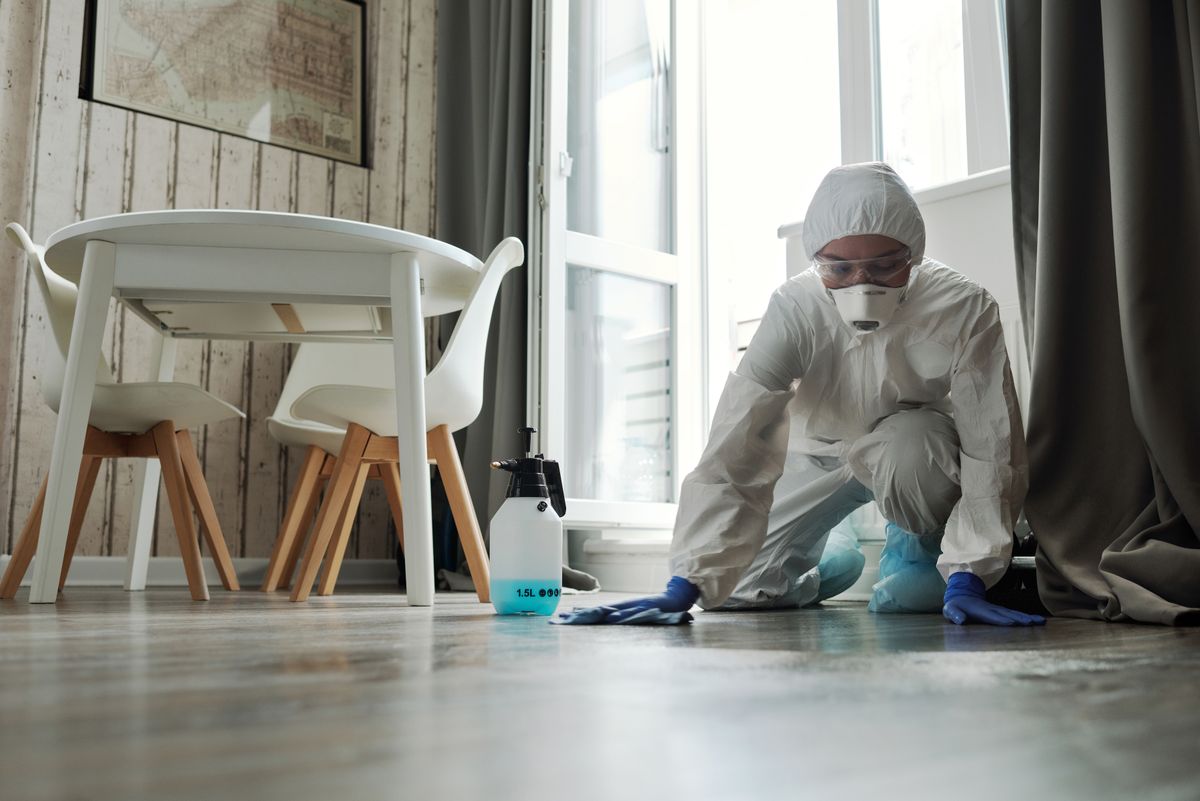
Fort Lee homes sit in the same wet corner of New Jersey as the rest of Bergen County, river valleys, heavy nor'easters and summer downpours that drop inches of rain in an hour. Flood Damage 247 serves every street in Fort Lee (07024) with water removal, flood cleanup, drying and mold remediation, scoped in writing before major work starts.
Fort Lee stacks its water risk vertically. Along the Palisades and the Hudson River edge, high-rise and mid-rise buildings hold thousands of homes where one burst pipe, failed appliance hose or overflowing fixture can send water through several floors before it is found. Away from the bluff, older single-family streets and garden apartments have the more familiar basement and ground-floor risks.
Inches of water on a basement or ground floor is an emergency with a clock on it. We pump and extract with truck-powered equipment, moving from the deepest water to the edges until surfaces are ready for drying.
When the pump dies or the power goes out mid-storm, water rises quietly until you find it. We extract the water, check what it reached and set drying so the basement does not become a mold problem next week.
A failed water heater, washing machine hose or dishwasher line can dump hundreds of gallons before anyone notices. We extract, then trace how far the water travelled under floors and into walls.
Emergency water removal on its own, pumping and extraction for a typical residential basement or ground floor, commonly runs about $500 to $2,500 depending on how much water there is and how many rooms it reached. Drying, cleanup and any demolition are scoped in writing after the water is out. Guidance ranges checked November 2026.
Get an Honest QuoteHow much water, what kind of water, how many rooms and materials it reached, and how much has to come out versus dry in place. Each of those appears in your written scope, so you can see exactly what you are paying for before the work expands.
By meter, not by touch. We take moisture readings in walls, floors and framing at the start and through the job, and equipment comes out when readings reach normal levels for those materials. You can see the numbers at every check.
Mold grows where materials stay wet, typically starting within one to two days. Fast extraction plus a verified drying program is exactly what prevents it. If growth has already started, it is handled as remediation, contained and removed rather than dried in place.
For a small, clean-water puddle, sometimes. The problems start with what extraction leaves behind: water already inside walls and under floors, and floodwater that carries soil and contaminants. If the water is more than a shallow puddle, came from outside or a drain, or reached drywall and flooring, professional extraction plus measured drying is what stops the much more expensive mold job later.